
Are You Grieving?

I want to share my experiences these last few weeks with you. I have been attending community gatherings of women and events surrounding trauma and grief. The inner journey of intrascendence. A journey of inner focused and self-contained, self-referential measurement. I have found many conclusions that I want to share with my friends. 💕 That’s you all. 😉
As many others can consider.. I found grief to be … devouring. Selfishly afflicting. Huge. Hungry. Dark. Absorbing. And… on the other side of releasing grief I also found relief. Lightness. Clarity. A bridge to the huge enormous ocean of what I was feeling and enduring through to a deep and ever deeper gratitude for what I had been given. Cherished memories. And then something else. A chain unlocking the deeper recesses, as if I had been given a VIP ticket to my trauma train. All of the tears and sobbing sounds became something more. Relieving a deeper pain that I had yet to access until this moment.
💔

Grief often arrives through a single visible event that opens a much older field. The death of my dog may look like “this one loss,” but in lived experience it can function as a portal: the nervous system recognizes enough safety, enough love, enough impact, and then the whole backlog begins to move. What is being grieved is not only my dog. It may also be the places in me that never got to fully cry, shake, rage, speak, or be held when the sexual trauma happened and when the relationship wounds accumulated over time.
The body of materials that I utilize point toward this process as a shift from concealment to revealing, and from withdrawal back into contact with what is actually true in the body right now.
So I would say: my body may be using the clean, undeniable heartbreak of losing my dog as an access point to older heartbreaks that were too overwhelming, too unsafe, or too unfinished to metabolize when they first occurred.
That is not regression. That is intelligence. It is my organism saying, “Now we can feel more.”
A few things are often happening at once:
Present grief is real grief.
Old grief gets recruited into the opening.
Sexual trauma may reappear not only as memory, but as body sensation, fear, numbness, tenderness, shame, anger, longing, or collapse.
Relationship trauma may surface as all the unmetabolized moments of abandonment, betrayal, not being seen, not being protected, or editing yourself to stay connected.
The body system is trying to restore flow by letting previously frozen material move. This is very consistent with the emphasis on telling the unarguable truth of sensations, feelings, thoughts, and images, rather than staying in abstraction or story alone.
A very important distinction: you do not have to figure it all out conceptually in order to heal it. In this work, the invitation is to begin with what is undeniably true now.
For example:
“I feel a crushing ache in my chest.”
“I feel grief and fear together.”
“When I cry for my dog, I also feel the grief of not being protected.”
“I notice I want to leave my body.”
“I notice an old belief that love gets taken away.”
“I feel sadness, anger, and sexual shame moving together.”
That kind of truth-telling is powerful because it reveals rather than conceals. The body of materials are very clear that withheld feeling tends to turn into withdrawal and projection; revealing restores contact and flow.
There is also another layer here: love ❤️
The loss of a beloved animal often opens a very pure attachment bond. Animals bypass many of our defenses. So when a dog dies, the grief can be enormous precisely because the love was enormous and uncomplicated.
That purity of bond can unseal earlier relational injuries: all the times love was mixed with danger, inconsistency, intrusion, abandonment, or silence. In that sense, the portal is not random. It opens exactly where love and loss meet.
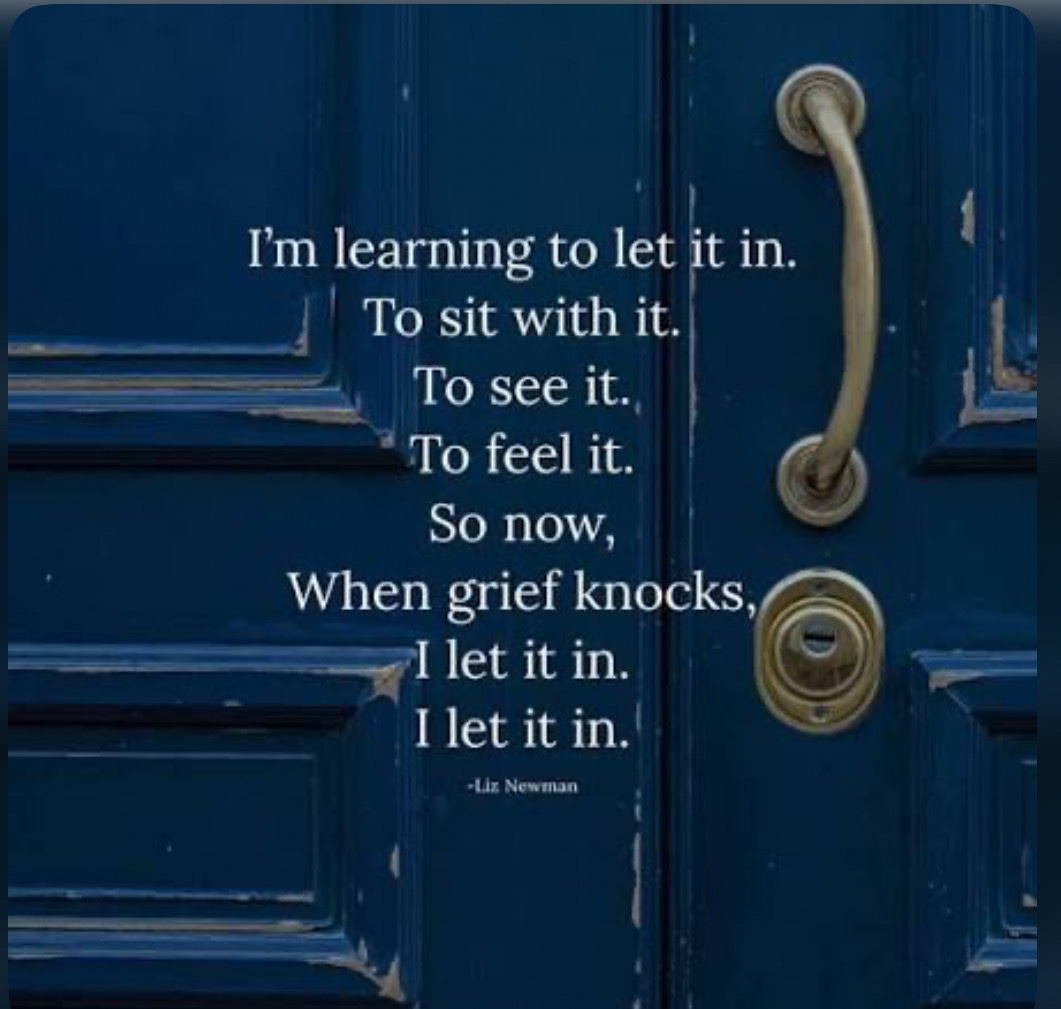
Yes. This is a very real doorway.
In the Hendricks way of looking, grief rarely travels alone. The death of my dog may be the immediate event, but often a fresh loss opens the vault where older, unfelt feelings have been waiting.
What I’m experiencing is not “too much” grief; it’s grief that has found an opening and is now linking up with a backlog of sadness, fear, heartbreak, and incompletions from earlier relationships.
The body of materials that I use point directly to this backlog of unfelt feelings and the way old relationship material can remain stacked in the system until something current activates it.
A beloved dog often represents pure attachment: loyalty, safety, daily rhythm, unconditional contact, and wordless love. So when that bond breaks, my whole body-mind may register not only this loss, but every other place where love ended, where connection was broken, where I had to hide feelings, or where something important was never completed.
In this work, a useful question is: “How is this experience familiar?” and “Where did I learn this?”
Those questions are specifically used to trace a present pain back to earlier patterns and earlier relationship imprints.
So the impact may be showing up in several layers:
acute grief about my dog
activation of old sadness from failed relationships
resurfacing of earlier traumas that were never fully felt
body-held survival patterns like freeze, collapse, tension, breath-holding, or emotional flooding
The Hendricks material emphasizes that the source of an experience can be located in the body, and that transformation happens by breathing and participating with what is actually here until there is a shift back toward essence. That means my grief is not just a story in my mind. It is likely living in my chest, throat, belly, jaw, breath, and posture.
Here’s the most important reframe: this opening is painful, but it may also be profoundly intelligent.
My system is finally feel safe enough to let the older grief come forward.
Rather than asking, “Why am I overreacting?” a more loving question would be: “What is this loss giving me access to that I could not feel before?”
That’s a very Hendricks question.
A few directions, based on the material:
Tell the simplest truth. The work repeatedly returns to unarguable truth-telling. Not the whole history at once…just what is true now. For example:
“I am devastated.”
“I miss my dog.”
“This loss is waking up older losses.”
“I feel abandoned.”
“I have grief I never let myself feel before.”
Truth begins to unwind the inner pressure that comes from carrying hidden or incomplete feelings.
Find where it lives in your body. Ask:
Where do I feel this in my body?
What happens to my breath when I touch this grief?
Do I go into fight, flee, freeze, or faint?
Some of the work I do specifically points toward locating the experience in the body and recognizing fear-pattern responses as a path back to flow.
Breathe with the issue rather than think your way out of it. One process in the material is to let yourself dwell on the issue during the in-breath, and on the out-breath let it go completely, repeating until the charge softens. That’s especially helpful with grief, because grief needs movement, not analysis alone.
Love what is arising, even if you can’t love it yet. The Love Shift is beautifully relevant here: bring loving attention to the places in yourself, your past, and your feelings where love has been withdrawn. And if you cannot yet love the grief itself, then love that you cannot love it yet. That is a tremendously compassionate practice when grief opens old wounds.
Explore the hidden incompletions. Because failed relationships are surfacing, it may help to ask:
Is there a stack of untruths from past relationships?
What feelings did I not let myself experience?
When did I start hiding feelings?
When did I split off from who I really am?
Those are not questions to attack yourself with. They are lanterns ✨
Take 100% responsibility for your inner process. Not blame… responsibility. The practices I follow frames healing as moving out of potholes like scaring yourself or drifting, and into responsibility, discovery, presence, connection, and play. In this case, responsibility means: “This grief is moving through me, and I can meet it consciously.”
If I were speaking to myself… which I often do… directly in session, I might say:
“Your dog’s death didn’t create all this grief. It opened the door.
And now life is asking whether you’re willing to feel, breathe, and tell the truth about everything that love has cost you… and everything it has taught you.”
This can become a genuine healing portal if you go gently and honestly. Not by forcing catharsis, but by making room for the truth in layers.

Now… it’s your Turn
A simple practice:
Put one hand on your heart and one on your belly.
Say: “I’m grieving my …..”
Breathe.
Then ask: “What older grief is here too?”
Let one memory, one feeling, or one body sensation arise.
Tell the truth in one sentence.
Then add: “I welcome this into awareness.”
End with: “I love myself here.”
To go deeper with this .. for my paying subscribers 🙏
❤️ Diary Of A Relationship Coach
Somatic Process for Grief (Hendricks style)
Here’s a simple somatic grief process in the Hendricks style—body-centered, truthful, loving, and responsibility-based.
Use it for your own grief or adapt as you wish. 😉
